
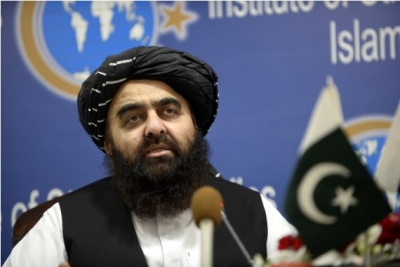

Kabul, Nov 18 — Taliban Foreign Minister Maulvi Amir Khan Muttaqi sharply criticised “some countries” on Tuesday for what he described as the inhumane treatment of Afghan refugees driven by political motives. Speaking at the Fifth Coordination Meeting between Afghanistan and UN agencies in Kabul, he denounced the forced evictions and deportations of Afghans, stopping just short of directly naming Pakistan but clearly alluding to it.
Muttaqi said thousands of refugees were being expelled in harsh winter conditions and then denied entry at border crossings, calling the actions a violation of international refugee norms. “Is this not a grave injustice against women, children, and the elderly?” he asked, urging swift intervention from the global community.
Pakistan and Iran host the largest Afghan refugee populations—approximately 1.6 million and 3.5 million respectively. According to UN estimates, around 126,800 Afghan refugees returned from Pakistan in the past year amid worsening ties between Kabul and Islamabad.
A recent UNHCR report revealed a record surge in arrests of Afghan migrants in Pakistan, with over 100,000 detained between January and mid-November 2025—compared to 9,000 in 2024. Most arrests took place in Balochistan’s Chagai and Quetta districts and Punjab’s Attock region. Notably, 76 per cent of those detained were undocumented migrants or Afghan Citizen Card holders.
The crackdown follows two Pakistani government directives allowing the removal of Afghan migrants from major cities and permitting police to detain even PoR-card holders. Humanitarian organisations have warned that mass expulsions could destabilise border regions, leaving returnees without shelter or essential services.
Afghan refugees in Pakistan say they face increasing fear, demolitions of their homes, and police warnings against locals who offer them housing. Many report harsh conditions in detention centres and urge Pakistani authorities to halt evictions during winter.
Refugees have appealed for temporary protection, stressing that without shelter or support, survival through the cold season will be extremely difficult.