
Kabul, December 21:
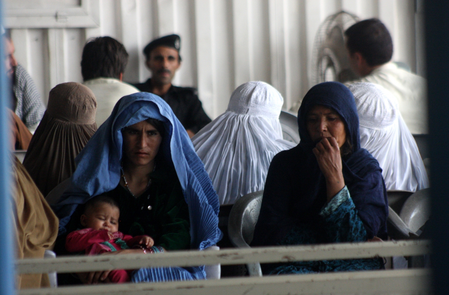
More than 5,400 Afghan migrants were repatriated from Iran and Pakistan in a single day, according to a statement issued by a Taliban official on Sunday, highlighting the continued mass return of Afghans amid growing humanitarian concerns.
Taliban deputy spokesperson Hamdullah Fitrat, sharing a report of the High Commission for Migrants’ Issues on X, said that 981 families comprising 5,412 individuals returned to Afghanistan on Saturday. The returnees entered the country through multiple border crossings, including Spin Boldak in Kandahar, Bahramcha in Helmand, Islam Qala in Herat, Pul-i-Abresham in Nimroz, and the Torkham crossing in Nangarhar, reported Pajhwok Afghan News.
Fitrat said that arrangements were made to transport 1,283 returning families, totalling 5,992 people, to their respective home areas. He added that humanitarian assistance was provided to 894 families, while telecommunication companies distributed 861 SIM cards to the returnees to help them stay connected.
The large-scale returns follow a similar development a day earlier, when as many as 5,028 Afghan migrants were forcibly deported from Iran and Pakistan on Friday. The continuing deportations have intensified pressure on Afghanistan’s already fragile economy and humanitarian infrastructure.
Last month, several Afghan migrants who had recently returned from Pakistan voiced serious concerns about their living conditions, particularly with winter approaching. Many returnees cited the lack of shelter, insufficient winter assistance, and difficulties in obtaining electronic national identity cards (tazkira), according to local media reports.
Abdul Baqi, a returnee from Pakistan, said the absence of shelter was their most pressing issue. “When we return to the country, we do not know where to go. We request the Islamic Emirate to address our situation,” he said. Another returnee, Abdul Bari, stated that many people were homeless and forced to spend their days on streets and roadsides.
Others, including Abdul Malik and Abdul Qahar, urged the authorities to expedite the issuance of electronic ID cards and provide basic necessities such as tents and shelter, stressing that the existing aid remains inadequate to meet their basic needs.