
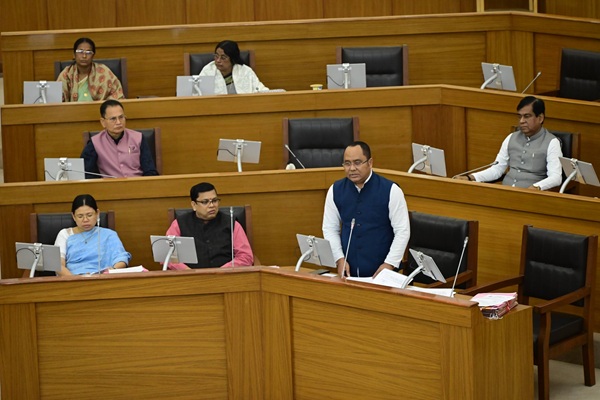

Tripura’s latest conservation initiative is gaining attention as more than just an environmental effort—it is increasingly being viewed as a potential economic lifeline for rural communities. On the fifth day of the Assembly session, Forest Minister Animesh Debbarma highlighted that the project, funded by the North Eastern Council (NEC), aims to conserve medicinal plants while simultaneously creating sustainable livelihood opportunities in Dhalai and North Tripura districts.
The initiative goes beyond biodiversity preservation by positioning itself as a model for community empowerment. Through the establishment of herbal gardens and systematic documentation of indigenous knowledge, the programme seeks to integrate traditional healthcare practices into a structured and sustainable economic framework. Local communities are being actively engaged through awareness campaigns, training programmes, and herbarium preparation, enabling them to identify, cultivate, and commercially utilize medicinal plant species.
A key component of the project is the development of a digital database and supply chain network. This system is designed to connect rural cultivators with broader markets, ensuring that their produce reaches buyers efficiently. Additionally, a price and marketing information mechanism is being introduced to promote transparency, safeguard fair trade practices, and prevent exploitation of small-scale producers.
On the financial front, the minister noted that although no funds were received over the past two years, the current fiscal year has seen renewed momentum. A total of ₹45 lakh has been allocated so far, with ₹20.60 lakh already utilized for conservation activities, herbal garden development, and the creation of marketing infrastructure.
Experts and observers believe that if implemented effectively, the initiative could transform Tripura into a significant hub for medicinal plant trade in the Northeast. By blending conservation with commerce, the programme has the potential to unlock new income streams for rural populations. For villagers, it represents not only the protection of biodiversity but also a meaningful opportunity to convert traditional knowledge into sustainable and long-term livelihoods.