
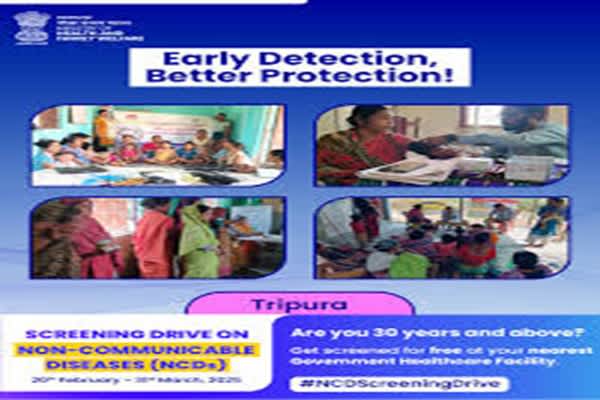

Tripura has taken a significant step forward in addressing the growing burden of non-communicable diseases (NCDs), earning praise from medical experts for its ambitious and research-oriented approach. The initiative, led jointly by government medical agencies, focuses on improving early detection, prevention, and treatment of conditions such as diabetes, hypertension, and cancer—diseases that continue to pose major public health challenges.
At the core of this effort is the Chief Minister’s Niramay Arogya Abhiyan (CMNAA), the first phase of which was carried out from January 1 to January 21. During this period, large-scale screening programmes were conducted across the state to identify individuals at risk. The campaign emphasized timely diagnosis and immediate medical intervention, aiming to prevent complications through early action.
Officials highlighted that the initiative is designed not only as a one-time campaign but as part of a broader strategy to build a sustainable and efficient healthcare system. By creating a structured mechanism for screening and patient tracking, the programme ensures that individuals diagnosed with NCDs receive continuous care and follow-up treatment.
The progress and impact of CMNAA were reviewed at a meeting of the Systematic Tracking and Action for Research in Non-Communicable Diseases (STAR NCD) project on April 17. The meeting, chaired by Health and Family Welfare Secretary Kiran Gitte, brought together key stakeholders and medical professionals to assess outcomes and plan future interventions.
Dr. Abhijit Das, State Programme Officer for NCD, noted that experts at the meeting expressed satisfaction with both the execution and the results of the campaign. He stressed that integrating systematic screening with research-based strategies is essential to effectively manage and reduce the prevalence of lifestyle-related diseases.
Reaffirming its commitment to public health, the Tripura government aims to further strengthen healthcare infrastructure through enhanced research, better diagnostic facilities, and coordinated medical action. Officials believe that this initiative will not only improve health outcomes within the state but also serve as a model for other regions seeking to combat the rising tide of non-communicable diseases.